ServicesFillings
Dental Fillings in Marlborough
A small cavity is easiest to fix while it is still small. We clear out the decay, seal the tooth with a filling shaded to match your smile, and keep you comfortable from the numbing gel to the final bite check. Most fillings take one visit.
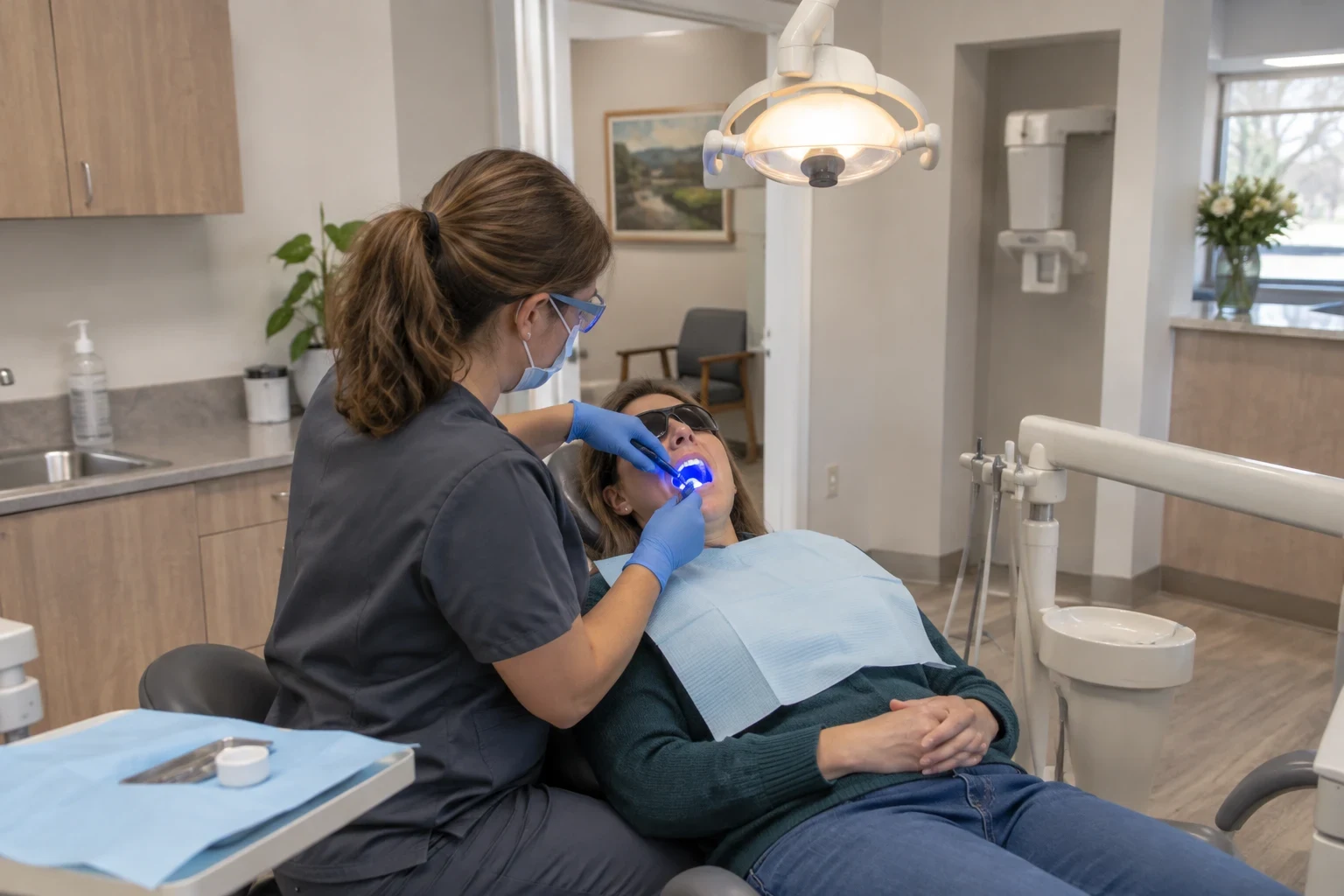
Catching decay while a filling can still handle it
Decay softens a tooth from the outside in. After it breaks through the hard enamel, it moves more quickly through the softer dentin below. Removing the damaged area and sealing the space stops that spread, saves more of your own tooth and often means that tooth never needs a crown or root canal.
We put safety at the center of this treatment. Every instrument that goes in your mouth is cleaned and sterilized after each patient. The tooth is completely numb before we begin, and we isolate it so water and bits of old tooth stay away from your throat. Before any drilling, we show you exactly what we found.
Some teeth have lost too much structure for a filling to hold. When that is the case, we say so directly and walk you through crowns and bridges as the other option. Our goal is the right treatment plan for that tooth, not the largest one.
What your filling visit includes
A look before we start
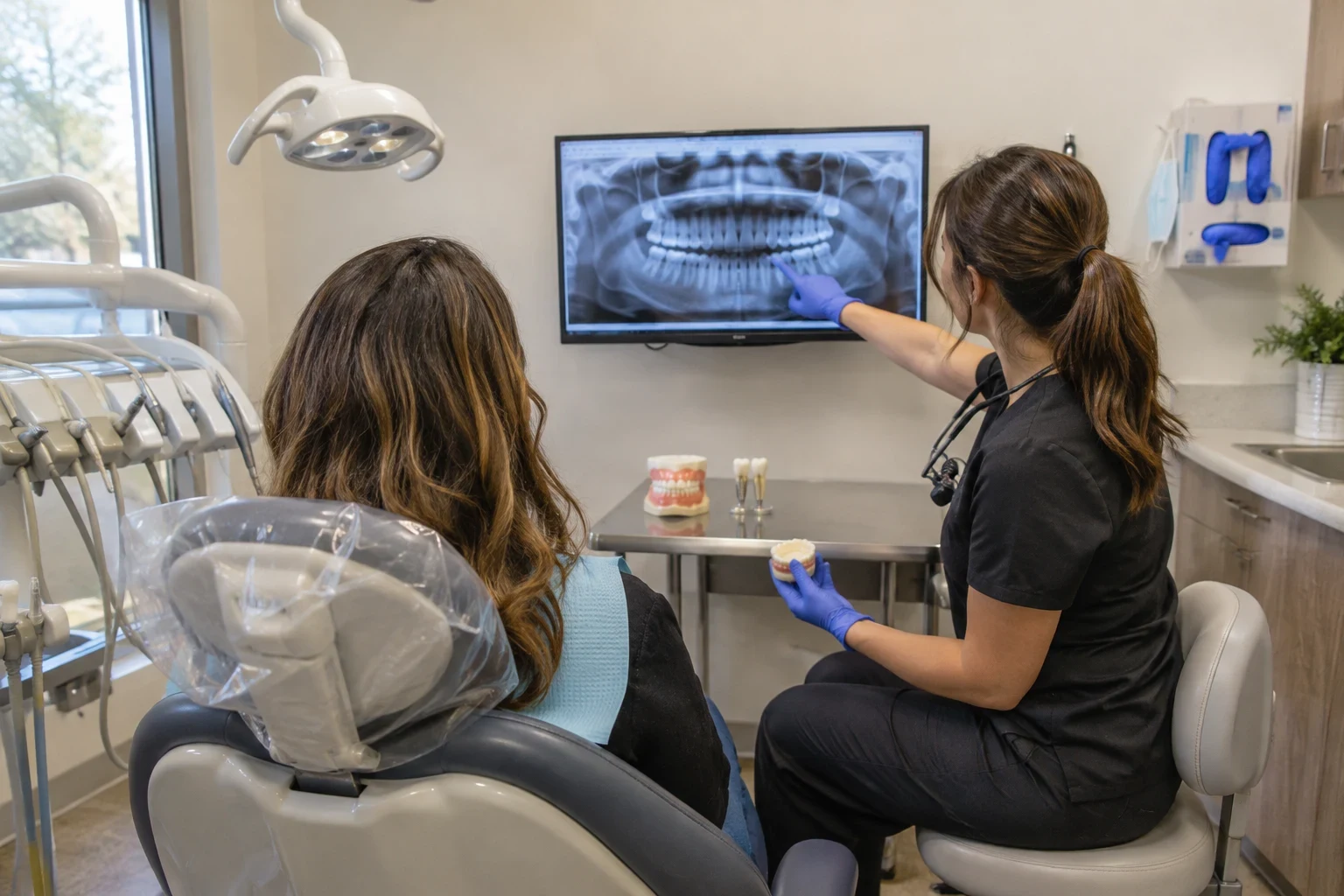
We examine the tooth, check your bite and take an x-ray when we need to see how deep the decay goes. You see what we see.
Numbing done gently
A numbing gel goes on first so the local anesthetic is barely felt. We wait until the tooth is fully numb. If you feel anything during treatment, raise a hand and we stop.
Tooth-colored composite
Most fillings are composite resin matched to your tooth shade. Because it bonds to the enamel, we can often keep more healthy tooth than older metal fillings allowed.
A clean, dry work area
Cotton rolls or a thin rubber dam and steady suction keep the tooth dry and keep debris out of your throat. A dry tooth also helps the filling bond and last.
Bite check and polish
Before you leave, we check how your teeth meet and smooth any high spots so the filling doesn't feel tall or make the tooth sore when you chew.
Replacing worn fillings
Old fillings that have cracked or pulled away at the edges can let decay start again underneath. We remove the old material carefully, with isolation and suction, and rebuild the tooth.
Signs a tooth may need a filling
- Twinges with sweets or cold
- A quick zing when you sip something cold or eat candy can mean decay has reached the softer layer under the enamel.
- Food catching in one spot
- If floss shreds or food packs into the same gap after every meal, there may be a cavity or a broken edge there.
- A dark spot or rough edge
- Brown or gray spots, small holes or a sharp edge your tongue keeps finding are worth having checked.
- Pain when you bite down
- Soreness on one tooth when chewing can point to a cavity, a cracked filling or a small fracture.
- No symptoms at all
- Early cavities often don't hurt. That is why regular exams & cleanings catch many of them before you would ever notice.
How a filling appointment goes
- 1
Your phone call
Tell us which tooth bothers you and what you've noticed. We set up an appointment and go over your insurance or payment options ahead of time.
- 2
Check and explain
We examine the tooth, take an x-ray if needed and explain the size of the cavity and the filling we recommend. Nothing starts until you agree to the plan.
- 3
Numb and clean out the decay
Once the tooth is numb, we isolate it and remove only the softened, decayed part, keeping as much healthy tooth as we can.
- 4
Place and set the filling
We bond the composite in thin layers and harden each one with a blue curing light, then shape it to follow the natural lines of your tooth.
- 5
Bite check and aftercare
We adjust your bite and polish the filling. Numbness usually wears off in a few hours, so chew on the other side until then to avoid biting your cheek or lip.
What affects the cost of a filling
We give you the cost of your filling before we start, once we know the size and location of the cavity. We accept most dental insurance plans. For patients without insurance we offer an Office Dental Plan, and the CareCredit Patient Payment Plan is available if you would like financing.
- Size of the cavity
- A filling is priced by how many surfaces of the tooth it covers. A small spot on one surface is simpler than decay that wraps around two or three.
- Which tooth
- Back molars take more time to reach and keep dry than front teeth, and they carry more chewing force, which affects how the filling is built.
- Replacing an old filling
- Taking out old material and cleaning any decay underneath adds time compared with a first-time filling.
- Your coverage
- What you pay depends on your insurance plan or membership plan. We walk you through your share before treatment.
Questions about fillings
- Does getting a filling hurt?
- Most patients feel pressure and vibration but no pain. We use numbing gel before the anesthetic and test the tooth before we begin. If you feel anything, tell us and we pause and add more numbing.
- How long will my filling last?
- That depends on the size of the filling, where it sits and habits like grinding or chewing ice. Small fillings on teeth that are brushed and flossed well can last many years. We check every filling at your regular exams so wear is caught early.
- Should I replace my old silver fillings?
- Not if they are intact and the tooth around them is healthy. We only recommend replacing a filling when it is cracked, leaking at the edges or has decay underneath, and we show you why.
- Can my child get a filling here too?
- Yes. We treat kids and adults, and for children we take extra time to explain each step in simple words. Our kids' dentistry visits also focus on preventing the next cavity.
- When can I eat after a filling?
- Composite fillings are fully hardened before you leave, so you can eat once the numbness wears off. Mild sensitivity to cold for a few days is common and fades on its own. Let us know if the bite feels high or the tooth stays sore.
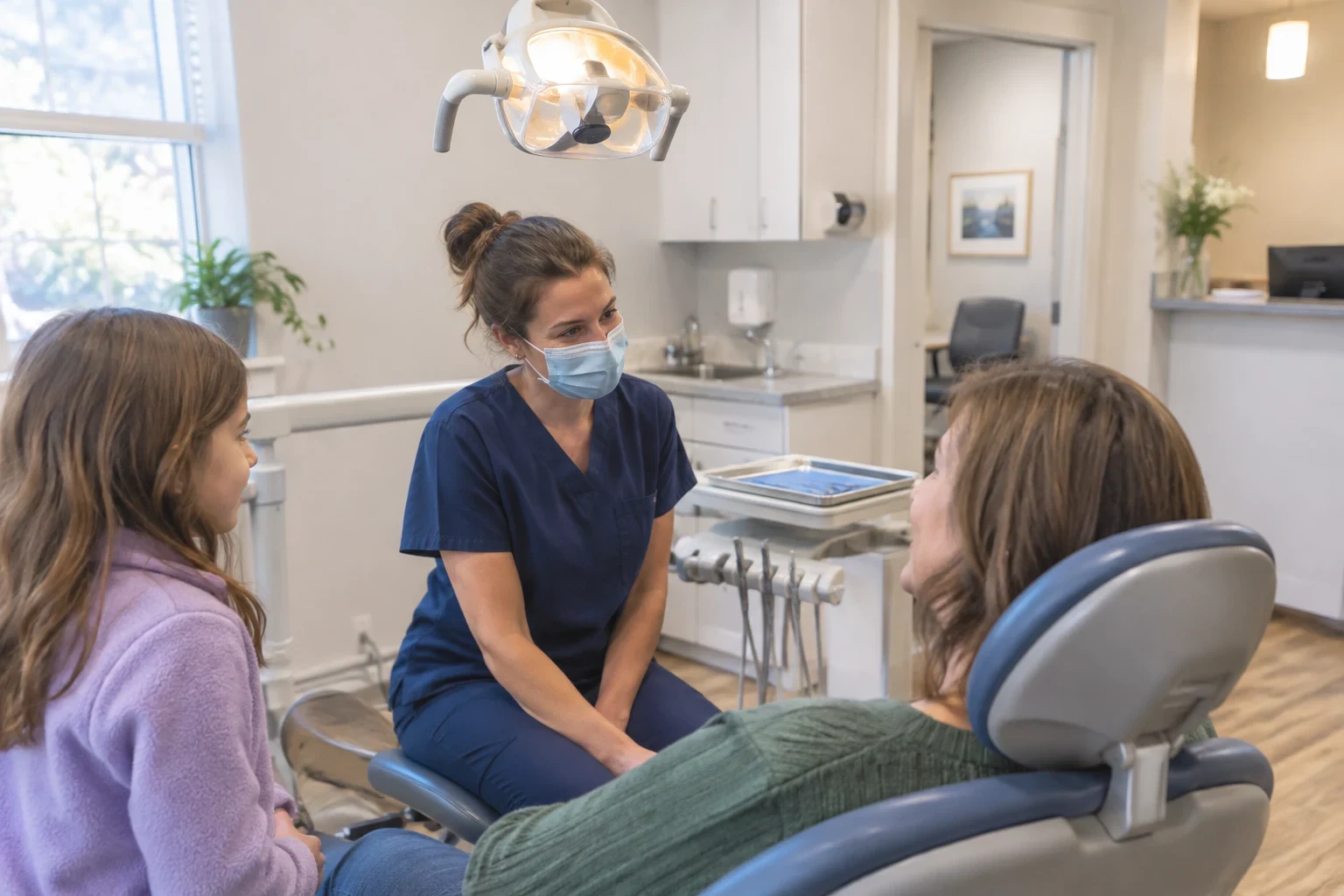
Let's take care of that tooth
A small cavity is a short, simple visit, and waiting usually makes the repair bigger. Patients come to us from Marlborough, Hudson, Framingham and nearby towns.